
Side Effects of Hormone Replacement Therapy (HRT) in Transgender Care
- Uncategorized
affirma
March 2, 2026
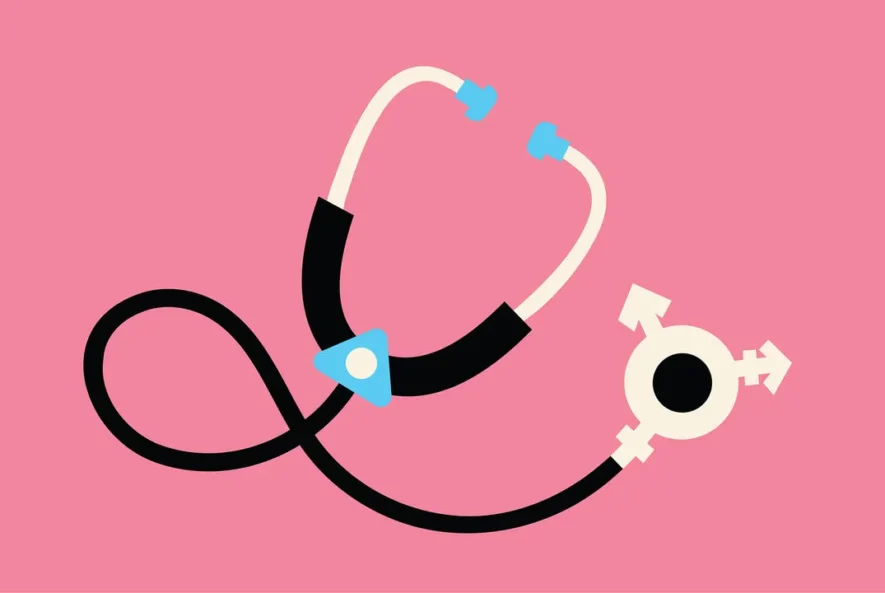
Hormone Replacement Therapy (HRT), also known as Gender-Affirming Hormone Therapy (GAHT), is a crucial part of the medical transition for many transgender individuals. It helps align physical characteristics with gender identity, offering significant psychological and emotional relief.
However, like any medical treatment, HRT comes with its own set of potential side effects and risks, which vary depending on the individual, the type of hormones used, and how the body responds. Understanding these effects is essential for anyone considering or currently undergoing hormone therapy.
What is HRT in Transgender Care?
HRT involves the administration of hormones to help induce physical changes that align with a person’s gender identity.
- For transfeminine individuals (MTF), this typically includes estrogen and anti-androgens.
- For transmasculine individuals (FTM), this includes testosterone.
Each regimen is tailored to the individual’s goals, medical history, and overall health, and should always be supervised by qualified healthcare providers.
Common Side Effects in Transfeminine (MTF) HRT
Transfeminine HRT usually involves estrogen (oral, injectable, or transdermal) and anti-androgens (such as spironolactone or cyproterone acetate).
Possible Side Effects:
- Breast tenderness and growth
- Mood swings or emotional changes
- Decreased libido and erectile function
- Reduced muscle mass and strength
- Weight changes and fat redistribution
- Risk of blood clots (deep vein thrombosis)
- Elevated triglycerides or liver enzymes
- Lower red blood cell count
- Changes in fertility (potential infertility over time)
Common Side Effects in Transmasculine (FTM) HRT
Transmasculine HRT typically involves testosterone therapy, administered via injection, gel, or patch.
Possible Side Effects:
- Acne and oily skin
- Increased facial and body hair
- Deepening of the voice
- Increased libido
- Mood fluctuations or irritability
- Headaches or migraines
- Increase in red blood cell count (polycythemia)
- Elevated cholesterol or blood pressure
- Risk of liver strain with long-term use
- Possible vaginal atrophy or discomfort
- Menstrual irregularities (usually stop over time)
Serious or Long-Term Risks
Though rare, long-term or unmanaged HRT can lead to:
- Cardiovascular issues (especially with estrogen therapy in smokers or those with other risk factors)
- Liver dysfunction
- Metabolic changes
- Bone density loss (particularly if hormone levels are not well balanced)
- Mood disorders or changes in mental health
This is why regular endocrine monitoring is critical throughout your hormone journey.
The Importance of Medical Supervision
Starting HRT without medical guidance—through self-medication or online hormone sources—can be dangerous and increase the risk of serious side effects. At Affrima Clinic, we follow a safety-first approach, offering:
- Baseline health screenings
- Routine bloodwork and hormonal testing
- Personalized dosage adjustments
- Ongoing emotional and medical support
Every individual responds differently to hormones. What works for one person may not work for another, making medical supervision essential for a healthy and successful transition.
Final Thoughts
Hormone Replacement Therapy can be life-affirming, but it is not without risks. Being informed and under the care of experienced professionals can help reduce side effects, manage long-term health, and ensure you feel empowered and safe throughout your transition.
If you’re considering HRT or need support with ongoing treatment, Affrima Clinic is here to guide you with compassion, expertise, and confidentiality.
Affrima Clinic – Your Trusted Partner in Gender-Affirming Care
Explore our hormone therapy services, endocrine monitoring, and transition support.
Contact us today or visit affirma.in to schedule a private consultation